Natural Selection Is the process by which favorable heritable traits become more common in successive generations of a population of reprducing organisms, and the unfavorable traits become less common. Natural Selection consists of 4 components;
|
||
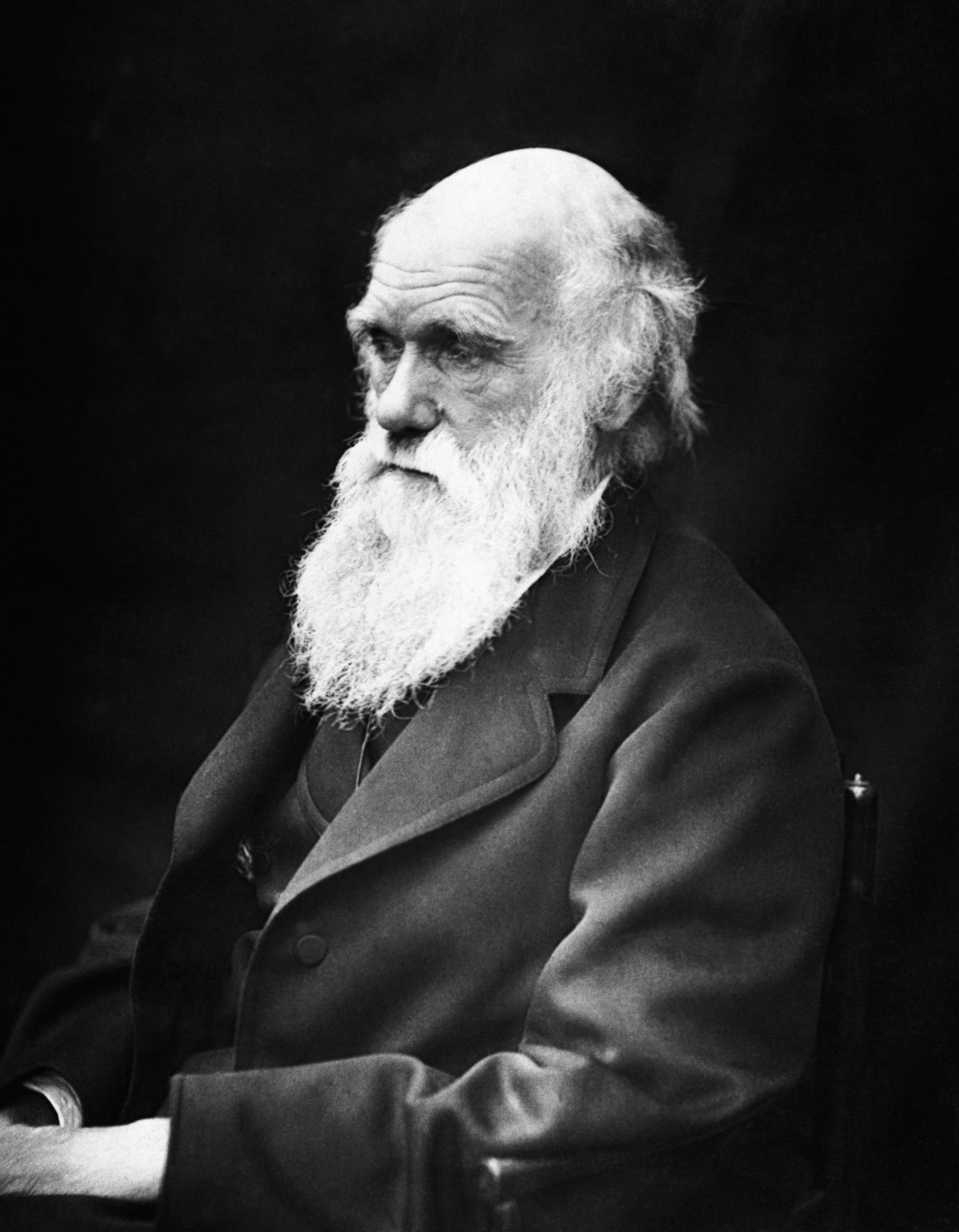 The above picture is of a famous English naturalist named Charles Darwin. He was most famous for his travels on a ship called the Beagle to the Galapagos Islands. During this voyage he collected evidence to support his theory that every animal develped from a single common ancestor in order to collect data to write his novel, The Origin of Species. 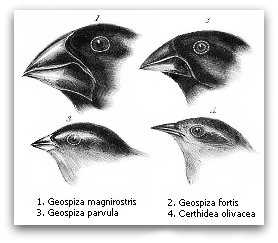 Pictures of Darwin's Finches: While observing the different species of the Galapagos, Dawin noticed that the finches had different beak sizes from island to island. He realized that they acquired these traits in order to survive on the islands' available foods. |
Adaptation: is the change in living organisms that allows them to live successfully in an environment. The adaptations enable living organisms to coppe with environmental stresses and pressures.
|
|
