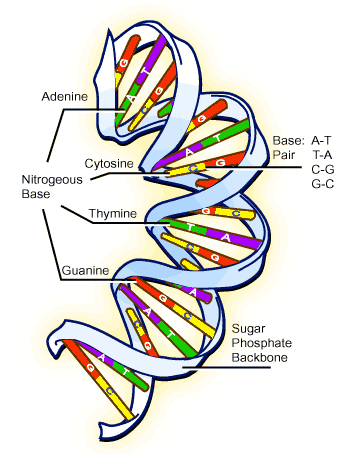
Organic Molecules Molecules that contain carbon-hydrogen bonds and are found in living things. Occur in 4 major classes;
Carbohydrates are either: Simple : Mono-saccharides and Disaccharides Complex : Polysaccharides
Proteins Are made from amino acids that form short polymer chains called peptides. They can also form longer chains called polypeptides.
Lipids Are known to be "hydrophobic" and don't mix with water trying to repel it. Types of Lipids
Fats and Oils are made from two kinds of molecules;
Waxes are difficult to break down, providing a protective and waterproof layer for some bacteria, animal fur and plants. Phospohlipids make up cell membranes creating a double layer, also known as the lipid bilayer. Chloestrol is an example of a steriod. And surprisingly, our cell membranes contain a large amount of it. The cholestrol helps the cell membrane by keeping it flexible, even when exposed to extreme temperatures. Nucleic Acids Are macromolcules composed of nucleotide chains. They carry genetic information and form structures within cells. Nucleic acids are universal in all living things and found in all cells. Common Nucleic Acids
|
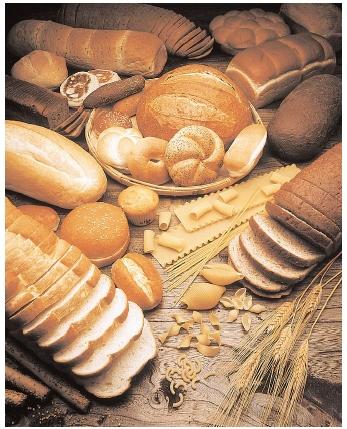 Grains, such as breads, pastas and cereal are examples of polysaccharides. These types of foods are good for you, especially in their whole-grain forms. ~~~~~~~~~~~~~~~~~~~~~~~~~~~~~~~~ 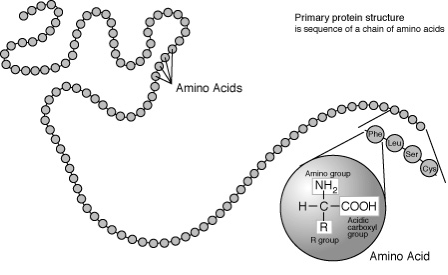 A chain of amino acids make up proteins. The one above is an example of a polypetide, due to the longer length of the chain. ~~~~~~~~~~~~~~~~~~~~~~~~~~~~~~~~ 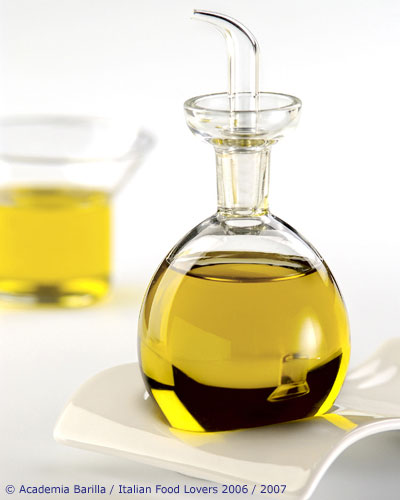 Oils are a very common example of a lipid. Due to their inability to mix with water and their chemical make-up they are classified as lipids. ~~~~~~~~~~~~~~~~~~~~~~~~~~~~~~~~~ 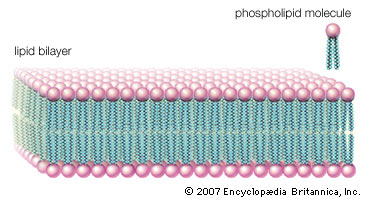 A lipid bilayer is made of 2 layers of phospholipids. The top, or head, is hydrophilic, meaning that it loves water. While the bottom, or tail, is hydrophobic, meaning that it hates water. So while the head will bring water in, the tail will keep water out. |